The intersection of wildlife conservation and social media has created a unique battleground. Recently, videos highlighting grizzly bears on moth sites have stirred controversy, prompting discussions about the implications for wildlife and human interaction. While many influencers aim to educate the masses, the backlash raises critical questions about the pressure these platforms place on ecosystems and communities.
The Controversy Explained
The rise of social media influencers has transformed the way information is disseminated. Videos showcasing grizzly bears in their natural habitat have captivated audiences, but they’ve also incited backlash from conservationists and locals. Critics argue that these videos can glorify wildlife encounters, potentially encouraging reckless behavior among viewers seeking similar experiences.
In the case of the grizzly bears, the footage highlights their majestic presence but overlooks the delicate balance needed to maintain their habitat. This can lead to increased human-wildlife interactions, which may not always end well for either party. The backlash is rooted in genuine concern for both the animals and the environments they inhabit, as increased human presence can disrupt natural behaviors and ecosystems.
Impact on Local Communities
The influx of tourists seeking to see grizzly bears can have significant impacts on local communities. Small towns near these habitats often find themselves at a crossroads, balancing economic benefits from tourism against the potential for negative consequences. Overcrowding can strain local resources, disrupt daily life, and create safety concerns for both residents and wildlife.
Moreover, the portrayal of these bears in social media content can skew public perception. If people come to see them as mere attractions, the intrinsic value of these animals may be overshadowed by the desire for likes and shares. As a result, local communities are left grappling with the consequences of increased attention, which can lead to rising tensions between residents and wildlife advocates.
What this means for Memphis Grizzlies
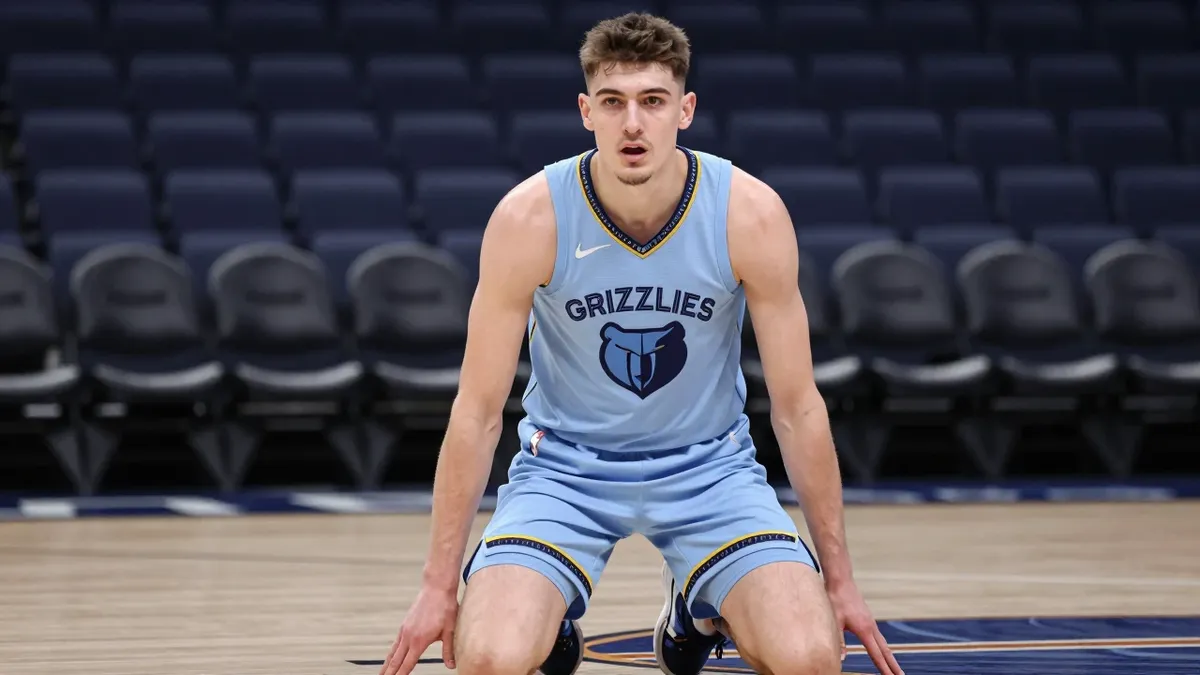
For fans of the Memphis Grizzlies, this situation resonates on a deeper level. The name of the team itself is synonymous with the bear, an emblematic figure that connects the franchise to themes of strength, resilience, and conservation. As fans rally behind their team, they should also consider the environmental and ethical implications of how wildlife is represented in popular culture.
Engagement in these discussions can lead to a more informed fan base that values not only the sport but also the surrounding nature. The Grizzlies have a unique opportunity to leverage their brand for conservation efforts, possibly partnering with wildlife organizations to promote responsible tourism and awareness campaigns. This could enhance the connection between the team and the community, fostering a culture of respect for both sport and environment.
The Role of Influencers
Social media influencers wield significant power in shaping public opinion. They can educate their audiences about wildlife conservation, but they can also inadvertently contribute to harmful practices. The allure of showcasing thrilling encounters with nature often overshadows the responsibility that comes with it.
Influencers need to adopt a more mindful approach when creating content involving wildlife. This includes emphasizing the importance of maintaining a safe distance, respecting habitats, and adhering to local guidelines. By doing so, they can play a pivotal role in promoting conservation and fostering a culture of respect for nature.
Fan Reaction and Outlook
Fans of the Memphis Grizzlies are not just passionate about basketball; they care deeply about their community and its natural surroundings. Social media discussions surrounding wildlife videos have prompted many to reflect on their responsibilities as fans and stewards of their environment.
- Increased awareness of wildlife issues - Desire for the Grizzlies to lead conservation efforts - Calls for responsible representation of nature in media
The response from the fanbase has been overwhelmingly supportive of conservation initiatives. Many fans are eager to see their team take an active role in promoting responsible tourism and environmental stewardship, which could create a greater sense of community and purpose.