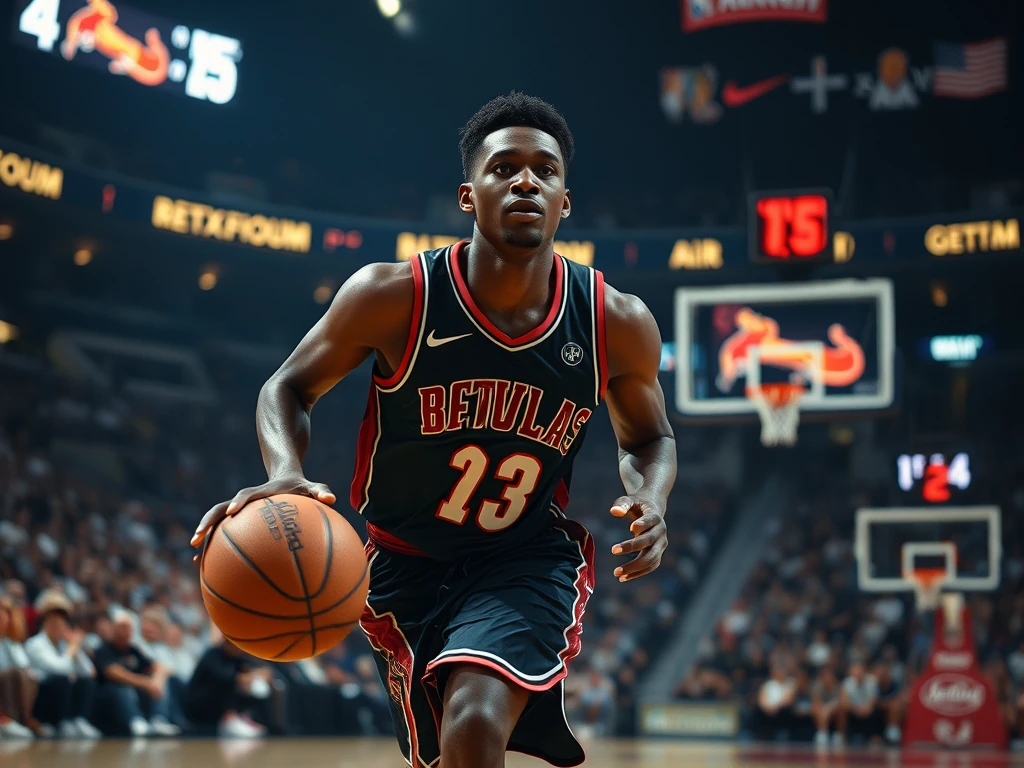
The Memphis Grizzlies have made headlines not just for their performance on the court but for a pivotal decision off it. In a league increasingly focused on discouraging tanking, the Grizzlies stood alone, voting against the NBA's new anti-tanking measures. This move raises significant questions about the team's strategy, its implications for the future, and how it fits into the evolving landscape of the NBA.
The Anti-Tanking Measures Explained
The NBA's anti-tanking measures aim to reduce the incentive for teams to intentionally lose games in order to secure a higher draft pick. This initiative comes in response to a growing trend where franchises have strategically positioned themselves as non-competitive to gain an advantage in the draft lottery. The measures include changes to the lottery system, making it less favorable for the teams with the worst records.
By voting against these measures, the Grizzlies are taking a stand against a system they may believe undermines competitive integrity. The NBA's new system dilutes the chances of top draft picks going to the franchises that need rebuilding the most, which could affect the Grizzlies in the long run.
Key Features of the Anti-Tanking Rules:
- Lottery Odds Adjustment: Lowering the odds for the bottom teams in the league. - Increased Lottery Picks: Expanding the number of teams potentially benefiting from the lottery. - Competitive Balance: Aiming to maintain parity within the league by disincentivizing losing.
What it Means for Memphis Grizzlies
For the Grizzlies, this decision could signal a couple of things. Firstly, it reflects confidence in their current roster, including rising stars like Ja Morant and Jaren Jackson Jr. The front office might believe that with the right development, they can compete without resorting to tanking strategies. Conversely, it suggests a willingness to take risks, potentially focusing on immediate results rather than future draft picks.
The Grizzlies have built a solid core that includes both established players and promising young talent. By opposing the anti-tanking measures, they may be betting on their ability to stay competitive in the Western Conference, aiming to secure playoff positions rather than strategically losing to gain assets for the future.
The Wider Championship Picture
The NBA landscape is continuously shifting, and the Grizzlies' decision plays into a broader narrative about competitive balance in the league. Many teams are now adopting a win-at-all-costs mentality, particularly with the emergence of superteams that can dominate the postseason.
By opting out of the anti-tanking vote, the Grizzlies are positioning themselves as a team willing to fight for their spot rather than play the long game. This could have implications for their relationships with other franchises and how they approach trades and acquisitions moving forward. If the Grizzlies remain competitive, they might attract more talent, further enhancing their chances at making a deep playoff run.
Fan Reaction and Outlook
Fans of the Memphis Grizzlies have mixed feelings about this decision. Some support the front office's bold stance, viewing it as a commitment to winning and a clear message that the team isn't interested in the draft lottery. Others, however, express concern that the team might be overlooking the potential benefits of draft assets, especially in a league where star players often dictate the terms of success.
- Supportive Fans: - Appreciate the commitment to competitiveness. - Believe in the existing roster's potential. - View it as a sign of confidence from the front office.
- Skeptical Fans: - Argue that draft picks are essential for long-term success. - Worry about the risk of stagnation without top-tier talent. - Fear that missing out on high draft picks could hinder championship aspirations.
Counterpoint: A Risky Gamble?
Critics will argue that the Grizzlies’ decision to oppose the anti-tanking measures could backfire. While the team may have confidence in its current roster, the unpredictability of player development and injuries could derail their plans. By not positioning themselves for high draft picks, they might miss out on opportunities to acquire elite talent that could elevate the franchise in the long term.