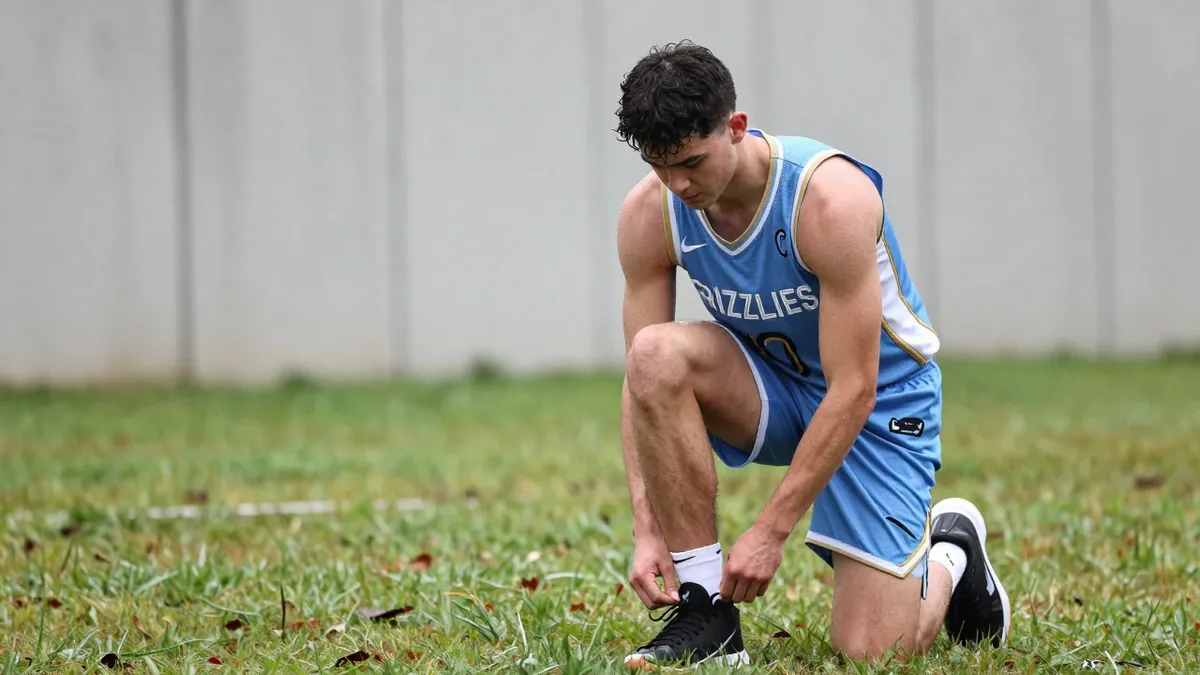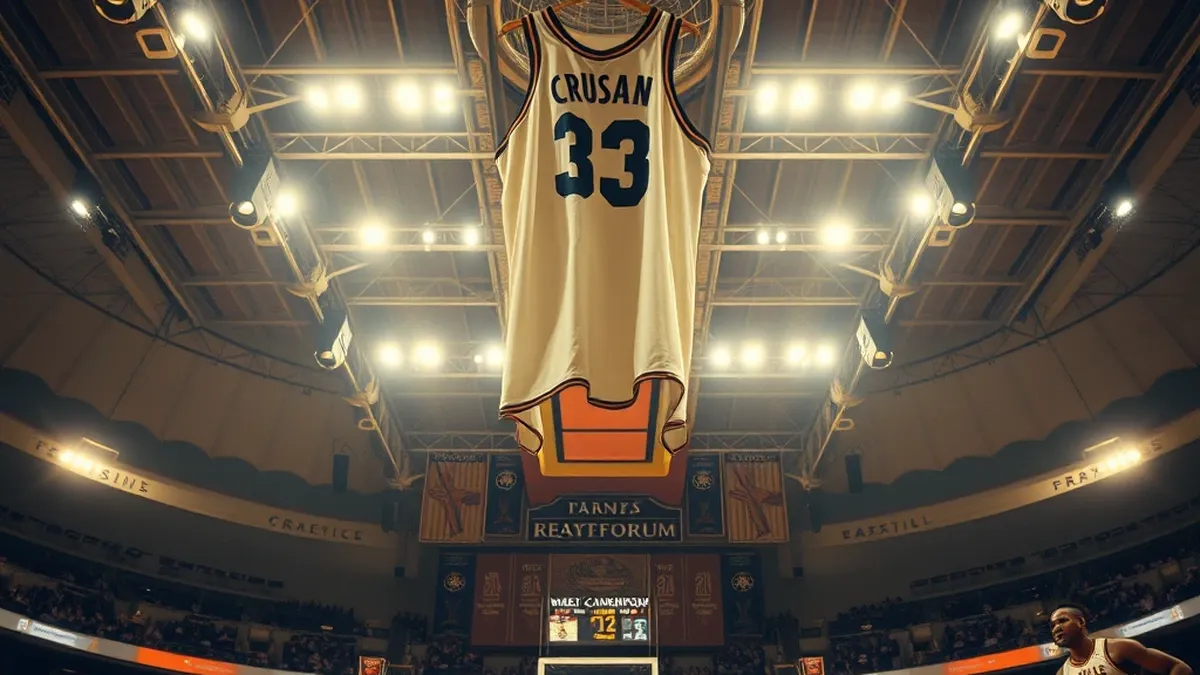
The 1999-2000 Vancouver Grizzlies season is often remembered as one of the most challenging periods in the franchise's history. For fans of the current Memphis Grizzlies, examining this turbulent season can provide critical insights into resilience and rebuilding. With a series of unfortunate events defining their campaign, it’s essential to reflect on what went wrong and how it can inform the present and future of the Memphis team.
A Season of Struggles
The Grizzlies entered the 1999-2000 NBA season with high hopes but quickly found themselves mired in difficulties. Finishing the season with a dismal record of 15-67, the team suffered through multiple lengthy losing streaks. Notably, they endured a 12-game losing streak from late February to early March, which significantly hampered any momentum they hoped to build.
In March alone, they managed to win just one of 15 games, and April was equally bleak, with a seven-game losing streak closing out their season. This period of despair not only highlighted the team's lack of talent and cohesion but also showcased the challenges of building a competitive franchise from the ground up.
Key Players and Their Impact
During this difficult season, several players stood out despite the team's overall struggles. Shareef Abdur-Rahim, the standout forward, led the team in scoring, averaging 20.5 points per game. His offensive prowess was a silver lining in an otherwise bleak season. However, the lack of consistent support from other players hampered his efforts.
Another notable player was Mike Bibby, who averaged 14.8 points and 5.5 assists per game. His playmaking abilities were crucial, yet the team’s overall performance suffered due to a lack of depth. The struggles of these key players underline the importance of surrounding your star talents with capable teammates, a lesson that resonates with Memphis as they seek to build around Ja Morant and Jaren Jackson Jr.
The Coaching Dilemma
The coaching strategy employed during the 1999-2000 season has been scrutinized significantly. Brian Hill took over as head coach, but his tenure was marked by inconsistent rotations and a failure to develop young talent. Critics often argue that his system did not maximize the strengths of his players, leading to a lack of synergy on the court.
For Memphis fans, this serves as a cautionary tale about the importance of coaching adaptability. Taylor Jenkins, while currently enjoying success, must remain flexible and responsive to the evolving dynamics of the NBA and his roster to avoid falling into similar traps.
What it means for Memphis Grizzlies
The lessons learned from the Vancouver Grizzlies' disastrous season are particularly relevant for current Memphis fans. The Grizz are in a different situation now, but history has a way of repeating itself if lessons aren’t learned. The importance of a solid supporting cast around stars cannot be overstated; Ja Morant needs reliable contributors to shoulder the load during challenging stretches.
Moreover, maintaining a strong coaching strategy that adapts to player strengths and weaknesses is crucial. The Grizzlies must focus on player development and scouting to avoid the pitfalls of the past. Engaging fans with a clear vision of progress can also build a stronger sense of community and support.
Fan Reactions and Outlook
Fans of the Memphis Grizzlies have witnessed ups and downs, and understanding the historical context of other franchises can enhance their perspective. Many long-time supporters remember the struggles of the 1999-2000 season and see the importance of patience and resilience in the face of adversity.
Social media reactions often reflect a blend of optimism and caution, as fans are eager to support their team while remaining aware of the challenges ahead. The primary sentiment is one of hope, with many believing that the current core, led by Morant and Jackson, has the potential to avoid the mistakes of the past.
Key points from fan discussions include: - Need for depth: Fans frequently express concern about bench production. - Coaching strategy: There’s a call for Jenkins to adapt his approach as the season progresses. - Injury management: Many fans are wary of how injuries could impact team performance.